
Puerto Natales sits quietly on the edge of the Última Esperanza Fjord, in Chile's far southern Magallanes region, and for a long time it was known mainly as the last stop before Torres del Paine. That reputation undersells it. The town itself is small and unhurried, built on a sheep farming history that still shapes its character, and the days you spend around it can be just as memorable as the trek you came for. This guide covers the things to do in Puerto Natales that make the town worth a proper stay, not just a passing night, from its industrial past to the wild landscapes on its doorstep.
From the prehistoric Milodón Cave to glacier boat trips across the fjord, from the towers of Torres del Paine to the local dishes worth ordering, and from the guanacos and condors you might spot along the way to a few practical tips on packing for the region's famously changeable weather, here is what a first visit to Puerto Natales should include.
Puerto Natales and the Última Esperanza Fjord
A Town Built Around the Fjord
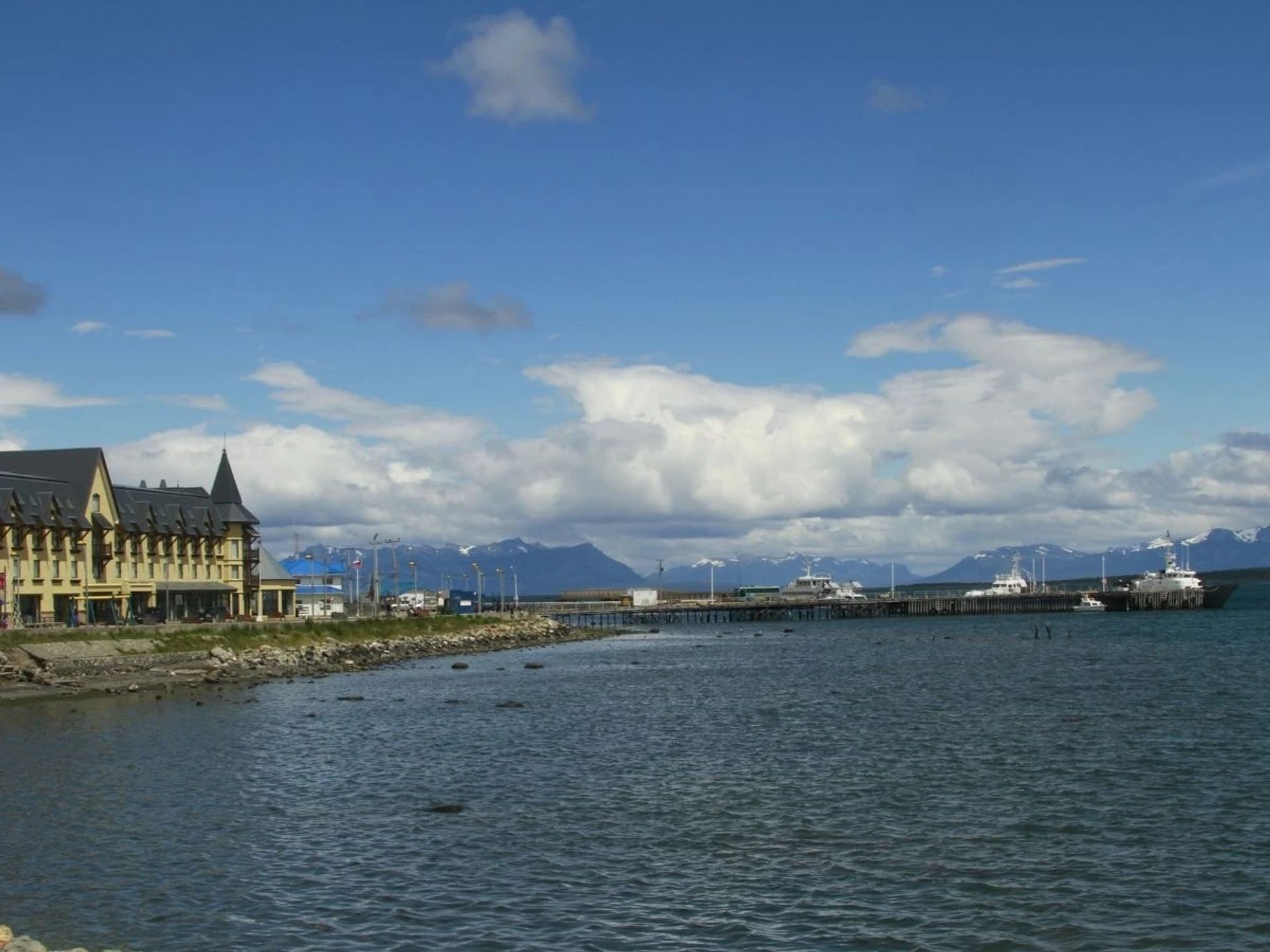
Puerto Natales grew up in the early twentieth century as a base for the sheep farming industry, and that history is still visible in the town's low-rise buildings and working waterfront. It sits roughly 250 kilometres northwest of Punta Arenas, on the shores of the Última Esperanza Fjord, known in English as Last Hope Sound. The setting explains a great deal about the town's character. Surrounded by water, wind, and distant mountains, Puerto Natales has the feel of a frontier place, one that has grown comfortable with its remoteness rather than fighting it.
Estancias, the large sheep farms that once defined this part of Chilean Patagonia, are still dotted around the region, and several day trips from the town pass working cattle ranches and farmland along the fjord's edge. This agricultural backdrop is part of what makes the area feel authentic rather than manufactured for tourism.
Puerto Bories: From Wool Industry to Luxury Hotels
Just outside Puerto Natales lies Puerto Bories, home to a vast redbrick cold storage plant that tells the real story of how this town came to exist. Built by the British-controlled Sociedad Explotadora de Tierra del Fuego, the plant reached full capacity in 1915, when a quarter of a million sheep a year passed through its freezing halls and up to 400 workers crowded its floors at the height of the season, sending Patagonian lamb, wool, skins, and tallow out to Europe. The scale of the operation effectively built Puerto Natales around it. The complex was declared a Chilean National Monument in 1996, preserving its machinery, furnaces, and even a small locomotive that once carried hides and meat between buildings. Today the site has been carefully restored as a hotel, but the old ironwork and chimneys still stand as a reminder of the industry that shaped this corner of Patagonia.
Getting Your Bearings Before Heading Out
Most travellers spend at least one night in Puerto Natales before or after a trip into the surrounding wilderness, and a short walk around town is a good way to settle in. The waterfront boardwalk gives open views across the fjord, and the small local museum offers a useful introduction to the region's sheep farming and indigenous history before you head further afield. It is a low-key way to spend an afternoon, and it sets the scene nicely for the more dramatic days ahead.
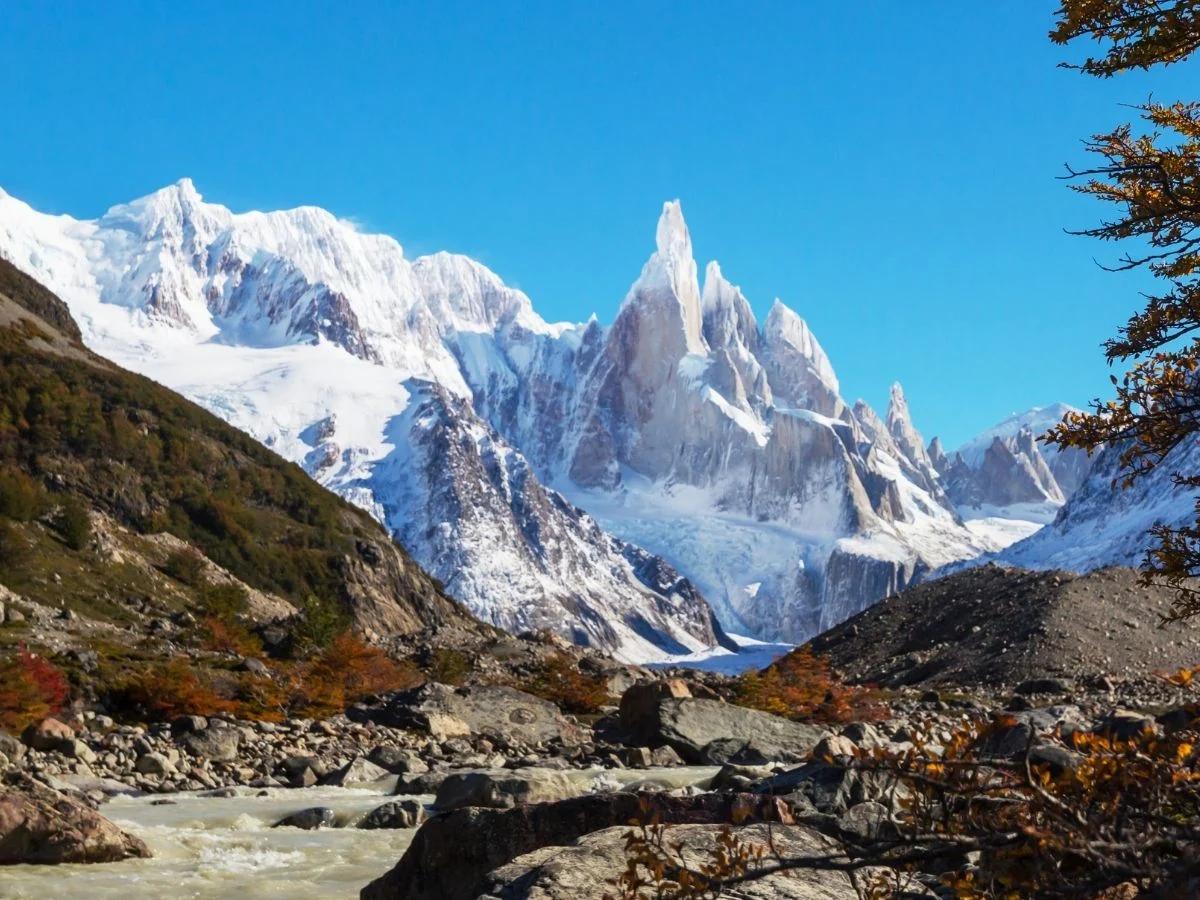
Hiking Near Puerto Natales: Cerro Dorotea and Laguna Sofía
Cerro Dorotea: A Day Hike With Panoramic Views
Cerro Dorotea rises just behind Puerto Natales and makes for a rewarding half-day hike, ideal for a shorter adventure that does not require a full day trip out of town. The climb to the viewpoint gains several hundred metres in elevation, and takes around two to three hours there and back, with a small entrance fee payable at the trailhead. From the top, the panoramic views take in the whole of Puerto Natales, the Última Esperanza Fjord, and the mountains beyond, making it one of the best value things to do in Puerto Natales for anyone short on time.
Laguna Sofía: A Quieter Hike Near Town
For a quieter alternative, Laguna Sofía offers a circular hiking trail of around 7 to 8 kilometres, winding past unusual rock formations on the outskirts of town. It sees far fewer visitors than Cerro Dorotea or the trails inside Torres del Paine, which makes it a good choice for travellers who want a taste of the local landscape without the crowds. Neither of these walks requires any technical experience, and both can comfortably be fitted around a day trip elsewhere in the region.
The Cueva del Milodón (Mylodon Cave): A Prehistoric Cave North of Town
A Journey Back 10,000 Years
Around 24 kilometres north of Puerto Natales lies one of the region's strangest and most compelling sights: the Cueva del Milodón, or Milodón Cave. This vast natural cavern sheltered a giant ground sloth, the Milodón, whose remains and fossils were discovered here and are thought to date back roughly 10,000 years. Standing inside the cave, with its high rock ceiling and huge open mouth, it is not hard to picture the scale of the animal that once lived there.
On the way to the cave, the access road passes a striking rock formation known as the Silla del Diablo, or Devil's Chair. Local legend holds that this armchair-shaped outcrop was once the resting seat of the Milodón itself, before the story shifted over time to give it a darker, devilish reputation. It is a small stop, but a memorable one, and a good example of how this landscape blends natural history with local folklore.
Why It's Worth the Detour North of Town
The Milodón Cave is often visited on the same day as a trip into Torres del Paine National Park, since the access road runs in that direction anyway. It adds real depth to a wider Patagonia itinerary, connecting the region's prehistoric past to the glaciers and peaks that dominate the scenery further along the same road. For anyone interested in natural history, it is one of the more unusual things to do in Puerto Natales, and one that rewards a bit of patience and imagination.
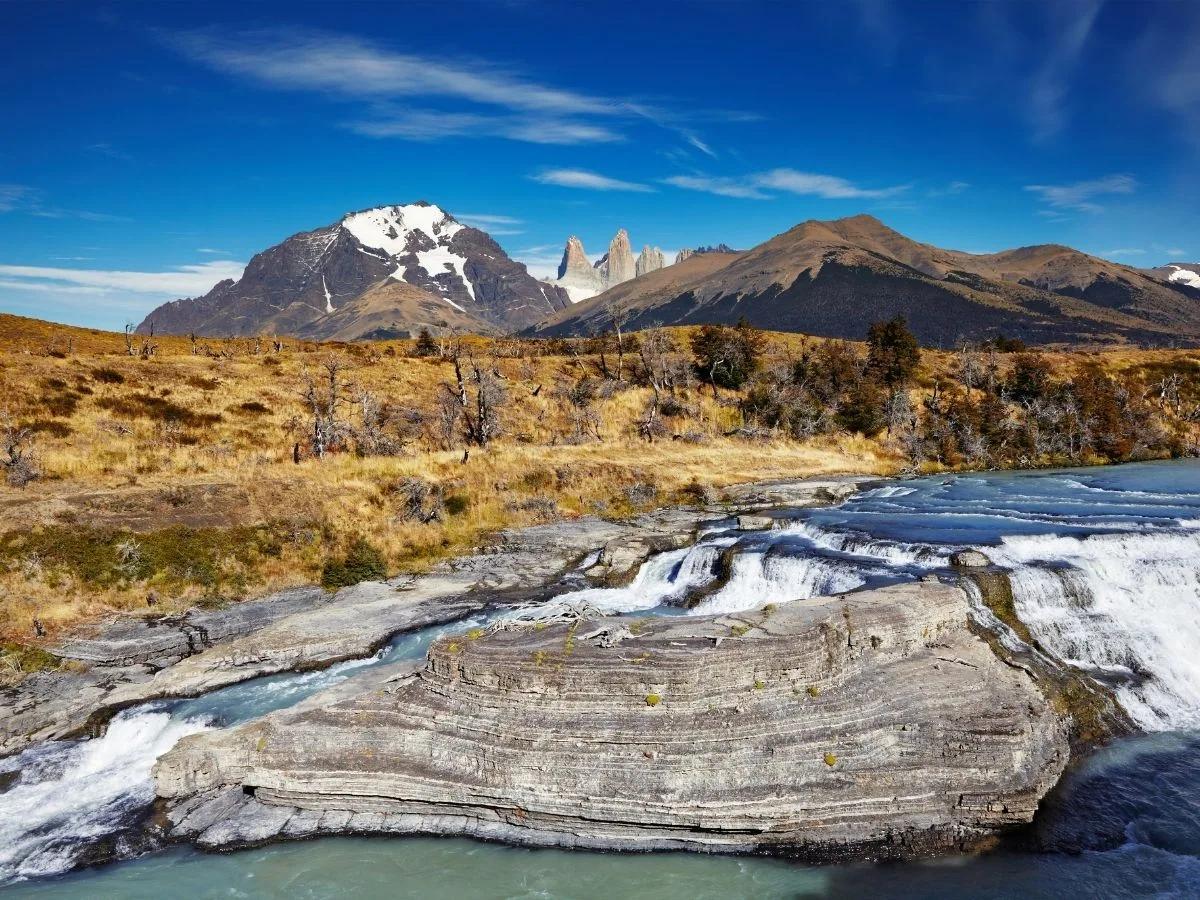
Torres del Paine National Park: An Unmissable Day Trip and Adventure
The Drive In: Grey Glacier and the Macizo del Paine
No guide to Puerto Natales would be complete without Torres del Paine, the national park that gives this part of Patagonia its fame. The drive in from town reveals lagoons and mountain ranges gradually opening up ahead, and one of the first highlights is the Mirador del Lago Grey, a viewpoint looking towards the Grey Glacier, the Macizo del Paine mountain massif, and Lago del Toro. Seeing the glacier from a distance, framed by the Andes, gives a real sense of the scale of this landscape before you get any closer to it.
The Cuernos del Paine and Lago Nordenskjöld
A little further along, the route reveals the Cuernos del Paine, the park's famous granite horns, rising dramatically above the surrounding plains. Depending on the weather, it is possible to walk along the shore of Lake Grey and reach a viewpoint over the Grey Peninsula. The second half of a typical day inside the park takes in the Salto Grande waterfall area and the Mirador del Lago Nordenskjöld, where the lake's turquoise colour contrasts sharply with the dark peaks behind it.
Laguna Amarga and Lago Sarmiento on the Way Back
The return route to Puerto Natales passes through the Laguna Amarga sector and the Mirador del Lago Sarmiento, offering a final set of panoramic viewpoints before the town comes back into view in the late afternoon. Because weather in this part of Patagonia changes quickly, no two visits to Torres del Paine ever look quite the same, which is part of the appeal for repeat visitors.
For Those With More Time: Multi-Day Trekking
A single day inside Torres del Paine only scratches the surface. Travellers with more time often go on to walk some or all of the W Trek, a multi-day route that links many of the park's best viewpoints, including Glacier Grey and the French Valley, before finishing beneath the towers themselves. It is a serious undertaking rather than a casual walk, and it is worth researching properly if it appeals, but even a single day exploring the park's edges gives a strong sense of why the trekking country of Chilean Patagonia draws walkers from all over the world.
Balmaceda and Serrano Glaciers Boat Tour
Crossing the Última Esperanza Fjord
A boat trip to the Balmaceda and Serrano Glaciers offers a completely different perspective on the region, and it is one of the standout things to do in Puerto Natales. These excursions typically depart from Puerto Bories, just outside town, and head out along the Última Esperanza Fjord towards the glaciers themselves. Along the way, the boat passes cascading waterfalls, cattle ranches, and native Patagonian birdlife, giving a strong sense of how varied this fjord landscape really is.
The Serrano Glacier Lookout in Bernardo O'Higgins National Park
Once close to the Serrano Glacier, inside Bernardo O'Higgins National Park, passengers usually disembark for a short hike up to a lookout point over the ice itself. This is genuinely remote territory. Bernardo O'Higgins is the largest national park in Chile, sprawling across more than 3.5 million hectares and containing a large part of the Southern Patagonian Ice Field, one of the biggest expanses of ice outside the polar regions. Much of the park is so rugged and isolated that it can only be reached by boat or helicopter, which is exactly why this glacier excursion feels like such a privileged way in. The walk itself is a manageable one, not a serious trek, but it brings you far closer to a glacier than most day trips in the region manage.
Ancient Ice and Patagonian Hospitality
Many of these boat excursions include a stop at Estancia Perales on the return leg, where it is traditional to be offered a whisky served with a piece of ancient glacier ice, a small but memorable ritual that sums up the region's blend of wild scenery and warm hospitality. As with most outdoor excursions in Patagonia, these glacier trips depend on weather conditions, so it is worth building some flexibility into your plans.
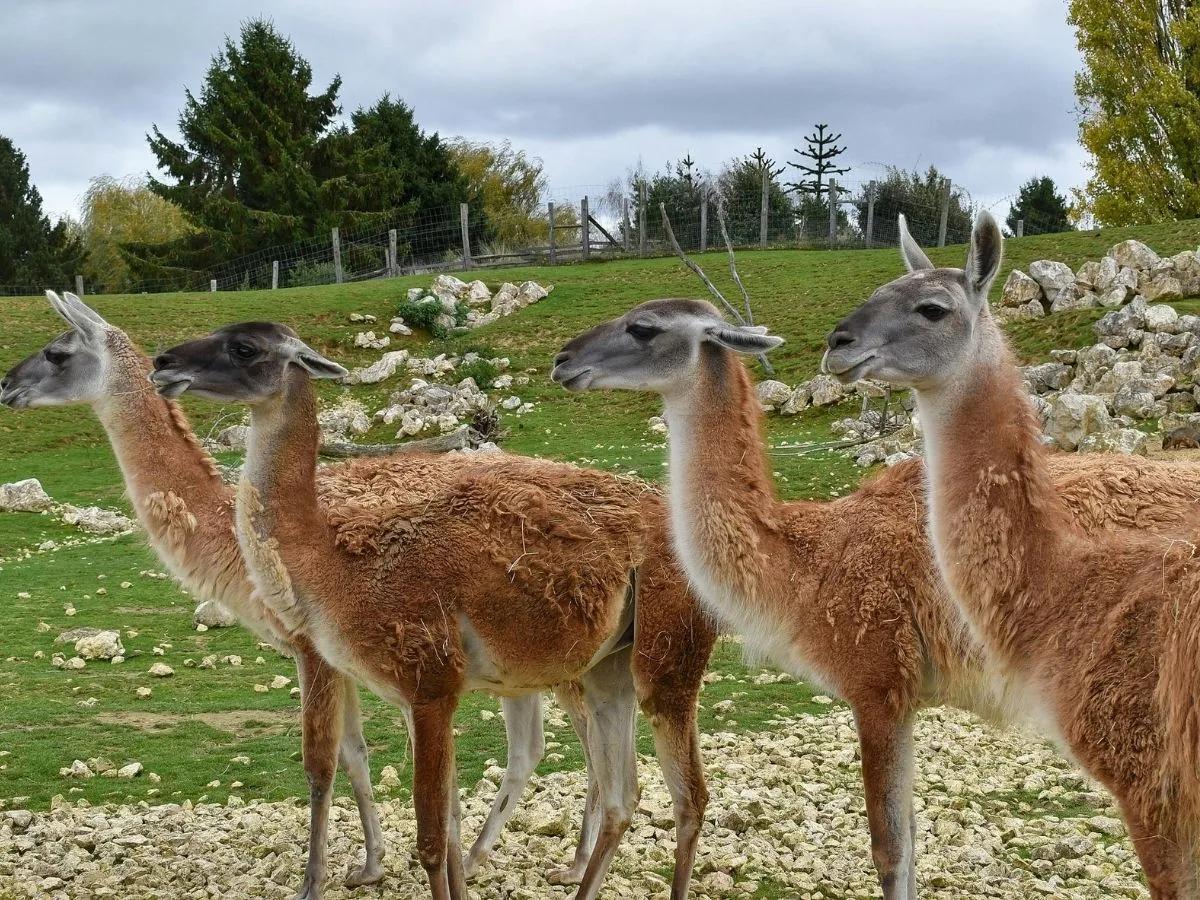
Wildlife to Look Out for Around Puerto Natales
Guanacos, Foxes, and the Elusive Puma
The landscape around Puerto Natales is as good for wildlife watching as it is for scenery. Guanacos, wild relatives of the llama, gather in large groups across the open plains on the way to Torres del Paine, and it is common to see them grazing calmly within a few metres of the road. Patagonian foxes are another frequent sighting, along with large hairy armadillos and upland geese in the grassland areas. Pumas do live in this region too, and sightings have become more frequent in recent years, though they remain elusive and a proper encounter is far from guaranteed on a typical visit.
Condors, Swans, and Life on the Fjord
The Última Esperanza Fjord itself is excellent for birdlife, and it is worth keeping a pair of binoculars close at hand on any boat trip out of Puerto Natales. Black-necked swans glide across the calmer stretches of the bay, while crested ducks, grebes, and Magellanic oystercatchers work the shoreline. Cliffs along the fjord host colonies of Magellanic shags and imperial cormorants, and Andean condors are regularly seen riding the air currents near the glacier-topped peaks at the head of the fjord. Sea lions are an occasional sighting on the glacier boat trips too, adding another reason to keep watching the water as well as the mountains.
Food and Drink in Puerto Natales
Cordero al Palo: Patagonian Lamb Done Properly
Sheep farming built this region, so it is fitting that lamb remains the dish to try. Cordero al palo, or lamb on a stick, is cut open and slow roasted over an open fire for three to four hours until the meat is tender enough to fall from the bone. It is served across Puerto Natales in various forms, from simple roadside stalls to smarter restaurants, and it is one of the most authentic tastes of Chilean Patagonia you will find anywhere in the country.
Centolla: Magellanic King Crab
The fjords around Puerto Natales are cold, turbulent, and rich in seafood, and the local speciality is centolla, or Magellanic king crab. This prized crustacean is often served simply, with butter and lemon, or worked into a creamy king crab pie thickened with breadcrumbs. Because it is caught locally in the fjord rather than shipped in, it tends to be fresher and better value here than almost anywhere else it is served.
Calafate: The Berry Locals Say Brings You Back
Look out for calafate on menus and drinks lists around town. This deep purple, native Patagonian berry looks a little like a blueberry but tastes sharper and more tart, with a bitter edge that makes it a favourite in local gins and cocktails. According to local legend, anyone who eats a calafate berry is guaranteed to return to Patagonia one day, which makes it a fitting way to end a meal before you head home.
Practical Tips for Visiting Puerto Natales: A Quick Travel Guide
Best Time to Go
The southern hemisphere summer, from November through to February, is when the town is at its most reliable, with average daytime temperatures sitting around 14 degrees Celsius. Shoulder months such as October and March bring fewer crowds and can still offer good conditions, while winter temperatures drop close to freezing. Whichever month you travel, pack for changeable weather. It is not unusual to experience something close to four seasons in a single day here, even during the height of summer.
What to Pack for Patagonia's Changeable Climate
Warm layers are essential, along with rainwear, a hat that will not blow away, and sunglasses for the bright southern light. Comfortable walking shoes or boots are important for any time spent on uneven ground near the glaciers or in the national park, while sandals are useful for travel days. A small waterproof dry bag is a sensible addition if you are heading out on the fjord, and a reusable water bottle, sunscreen, and a basic first aid kit round out a sensible packing list. Binoculars are also worth bringing, given how much birdlife and wildlife you are likely to spot along the way.
Getting to Puerto Natales, Chile, and Getting Around
A small local airport connects Puerto Natales to Santiago and other Chilean cities, or you can travel overland by bus from Punta Arenas, a journey of around three hours. Travellers combining Argentina and Chile in one trip often arrive by bus from El Calafate, a journey that typically takes five to six hours once the border crossing and immigration checks are included. Within the region, private vehicles, minibuses, and local boats are the main ways to reach the surrounding glaciers, caves, and national park, since public transport options beyond the town itself are limited.
For a genuinely memorable arrival or departure, some travellers choose the Navimag ferry, a cargo vessel that also carries passengers on a multi-day sailing between Puerto Natales and Puerto Montt further north, threading through the Chilean fjords along the way. It is a slower option than flying, with the crossing taking around four nights, but it turns a simple transfer into a scenic journey in its own right, past glaciers, narrow channels, and some of the most remote coastline in Chile.
Visas and Entry Requirements
British, US, and Australian nationals can currently set off for Chile without a visa for a short tourist stay, though this can change, so it is always worth checking the latest guidance from your home country before you travel, and again close to your departure date. Border crossings between Chile and Argentina are common for travellers combining Puerto Natales with El Calafate, and it is worth carrying your passport with you at all times when moving between the two countries.
Money and Tipping
The Chilean Peso is the local currency, and while cards are accepted in many hotels and restaurants, it is worth carrying some cash for smaller purchases, tips, and rural stops where card machines are less reliable. Tipping is not compulsory in Chile, but it is customary and appreciated. For a guided excursion, a discretionary tip of around five pounds per person per day for a tour leader, and around three pounds per person per day for a driver, is a fair and commonly used guide.
Beyond Puerto Natales: Perito Moreno Glacier and the Wider Patagonia Trip
Many travellers arrive in Puerto Natales as part of a longer trip that also takes in the glacier capital of El Calafate, over the Argentine border, and it is worth knowing what else is within reach if you have the time. The Perito Moreno Glacier, one of the most famous sights in the whole of Patagonia, sits around 80 kilometres from El Calafate, where nearly 5 kilometres of walkways and viewpoints let visitors take in its scale up close. Seeing it alongside the Milodón Cave, Torres del Paine, and the Balmaceda and Serrano Glaciers gives a genuine sense of just how much this stretch of Patagonia has to offer across both countries, and why so many first-time visitors end up extending their stay.
Conclusion
Puerto Natales rewards travellers who give it more than a passing glance on the way to somewhere else. Within a short drive or boat ride of this small fjord town lie a 10,000 year old cave, the granite towers and glaciers of Torres del Paine, a fjord crossing that ends with a taste of ancient ice, and a history of sheep farming that still shapes everything from the local menu to the buildings along the waterfront. Taken together, these experiences show why this corner of Chilean Patagonia has become one of South America's most compelling wild landscapes, and why it deserves proper time rather than a rushed itinerary.
Few towns of this size pack in quite so much variety within a single day's reach: prehistoric caves, working glaciers, condors overhead, and a plate of freshly caught king crab to finish the evening. That range is exactly what turns a brief stopover into several days well spent, and why so many travellers leave with plans to come back.
If this kind of trip appeals to you, it is worth planning it with people who know the region well. Undiscovered Destinations has been running small group tours and tailor-made holidays to destinations like this since 2004, with no compulsory single supplements for solo travellers. Start building your own Patagonian itinerary around Puerto Natales, and let a fjord, a glacier, and a 10,000 year old cave be where the story begins.